Warning to readers: we have tried hard, but we have not been entirely successful at simplifying the text as much as we like. It is a very technical subject, and it was hard to achieve. Despite this, we are airing it because we think it is a very interesting topic for investors.
The Urban Leasing Law (“LAU”), for housing leases, sets put that the purchaser in an auction cannot terminate the contract if the minimum term of 5 years has not yet elapsed, or 7 years, when the lessor is a company (art. 13 LAU). Irrespective the lease is registered in the Land Registry.
In the case of a voluntary sale of commercial premises, the purchaser is subrogated in the position of lessor (art. 29 LAU). But what happens to the lease when we are facing the forced sale (foreclosure) of commercial premises?
In this post we are going to solve the previous question following the Supreme Court Judgment (STS) 783/2021, of November 15 (ECLI:ES:TS:2021:4141).
The controversy resolved by the Supreme Court (TS): how the foreclosure of a commercial premise impact on a lease contract existing before the foreclosing, but not registered at the Property Registry (99.99% of times leases are not registered).
The TS rejects the analogical application of art. 13 LAU (referring to the transfer of housing), since this article refers only to housing leases, and the legislator wanted to establish a clear distinction between the regulation of housing leases and all other leases, given the protective nature of the regulation of the former and the preponderance of the free will of the parties in the latter.
Nor does the TS consider applicable art. 29 LAU (referring to voluntary disposal of commercial premises), since it considers that this is only applicable in the case of voluntary disposals, and not in the case of coercive disposals derived from foreclosures or court rulings, as in the case in question. When it is the landlord himself who voluntarily transfers the property (for example, sells it, or donates it), the law protects the tenant by applying the principle of conservation of contracts through the mechanism of subrogation.
However, the same does not happen when the landlord’s right is extinguished due to the exercise of third-party rights (e.g. foreclosure), and as long as the lease was not registered in the Land Registry, or said registration is after the registration of the right of the third party (mortgage loan, for instance).
In other words, when the lease was not registered in the Land Registry at the time of registering the right of the third party (in this case, the mortgage guarantee), the right of the latter will prevail over the right of the tenant and the lease agreement may be terminated.
Consequently, in the absence of a specific solution in the LAU and in the absence of an inter parties agreement, it is necessary to seek the solution within the common regime of the Civil Code (“CC”), specifically arts. 1,571.1 and 1,549 regarding the effectiveness of unregistered leases against third parties.
According to the first (1,571.1 CC), “The buyer of a leased property has the right to terminate the current lease upon verification of the sale, unless otherwise agreed and as provided in the Mortgage Law.” This precept must be analyzed systematically together with the second (1,549 CC), according to which “In relation to third parties, real estate leases that are not duly registered in the Property Registry will not take effect.”
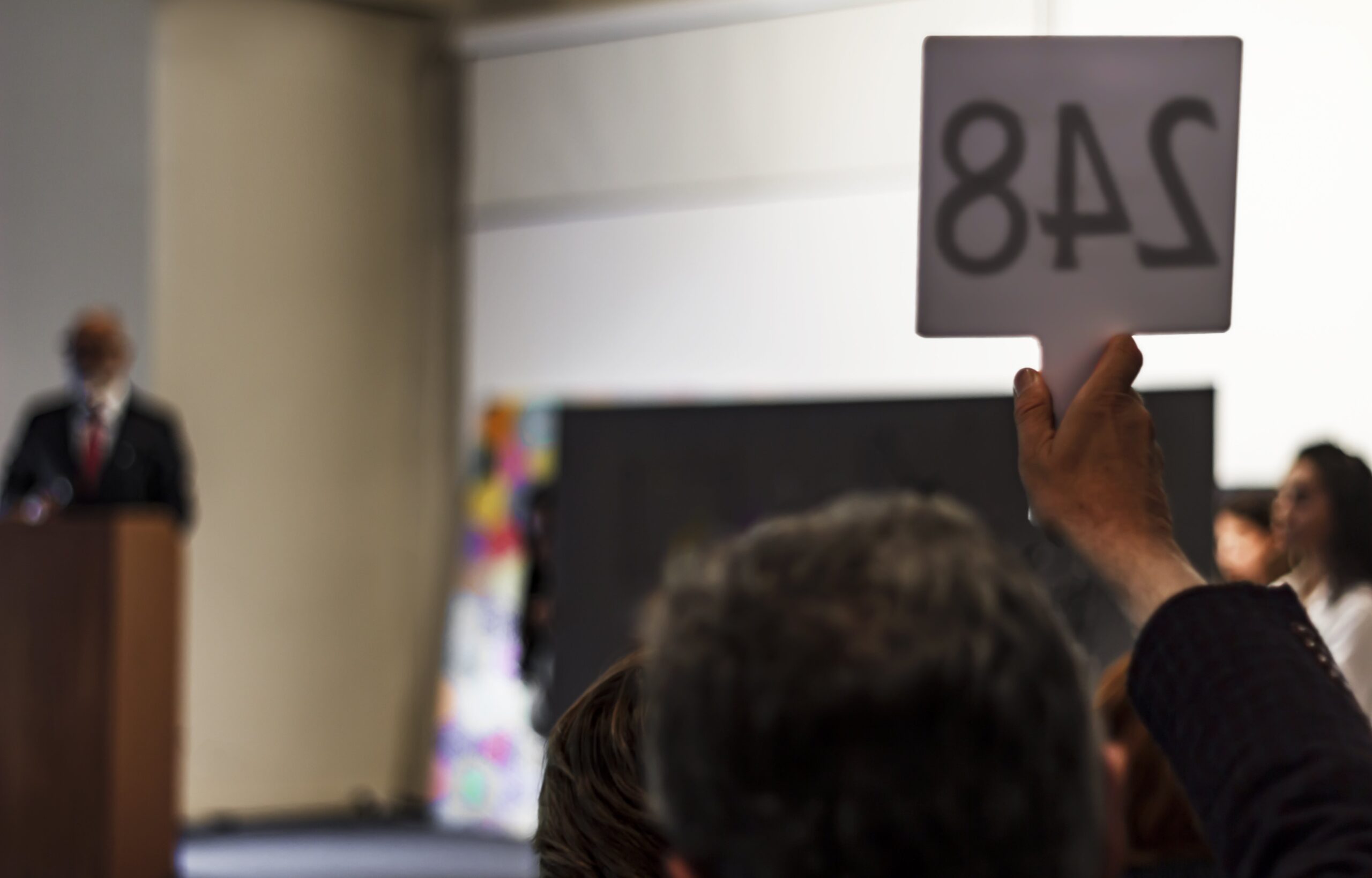
Thus, in the cases of leases not subject to the LAU, or with respect to leases for use other than housing (commercial premises) when the CC is applicable, in the absence of an agreement to the contrary and registration of the lease in the Property Registry, the third party purchaser of the leased property (in this case the winner in the auction) cannot be harmed by the lease.
The foregoing does not imply the automatic termination of the lease, but rather that the successful bidder of the property has the power to terminate the lease. And only in the event that he does not ask for it to be resolved, will his subrogation take place in the position of the previous owner or lessor.
Conclusion in a less formal legal language: if someone wins an auction on a property other than housing that is rented, and does not want the tenant to continue, what they should do is sue the tenant so that the judge resolves the rental agreement and call him out, based on 1,571.1 of the CC.